
Material
The selected base material affects the product’s suitability for daily-wear and water-resistant positioning.
Water-Resistant Jewelry Manufacturer in China
Develop custom jewelry for daily-wear and water-resistant product positioning. We help OEM, ODM and private label brands review suitable materials, PVD finish options, product construction, custom branding and packaging requirements.
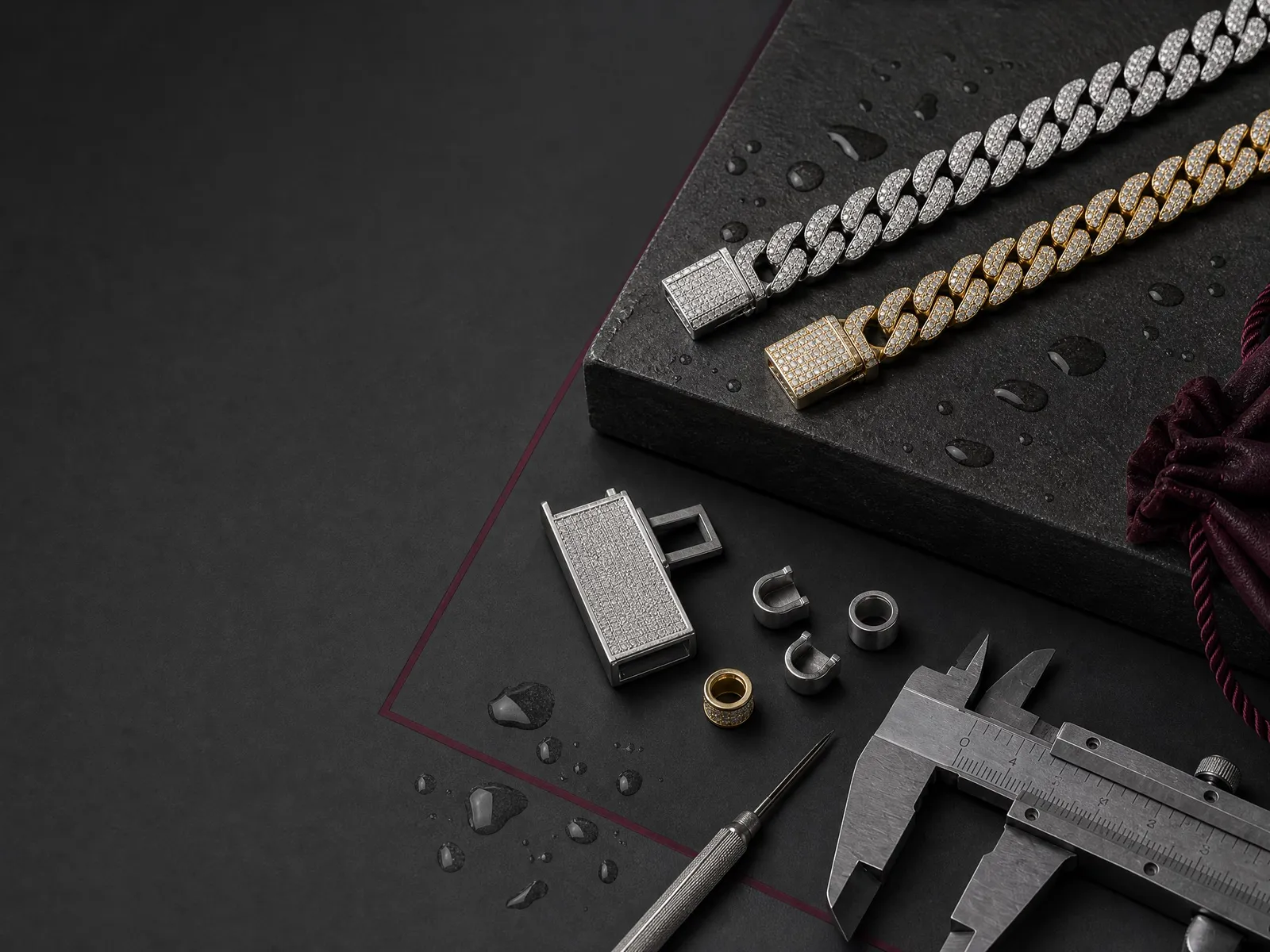
Buyer Qualification
We serve B2B jewelry buyers only. MOQ starts at 50 pcs per style, and retail or single-piece orders are not supported.
Samples and bulk orders are reviewed separately so development and production can be scoped clearly.
“Waterproof jewelry” is commonly used by brands to describe jewelry developed for regular wear and improved resistance to water exposure. However, water resistance is not determined by one factor alone. The final performance of a jewelry product depends on the selected base material, surface finish, plating or coating process, product construction, components, assembly, exposure conditions and care.
The selected base material affects the product’s suitability for daily-wear and water-resistant positioning.
PVD and other available surface finishes may be reviewed for suitable products, depending on the base material and production process.
Chains, clasps, stone settings, welded points, joints and other product components should be reviewed as part of the complete product.
A water-resistant product claim should be based on the specific jewelry design, material, finish, product use and any required testing or buyer standards.
The base material should be selected according to product type, daily-wear direction, finish requirements and target market.
The surface finish influences product appearance and should be reviewed together with the base material and intended use.
Product joints, chain links, clasps, stone settings and component assembly affect the overall product design.
Water type, sweat, cosmetics, cleaning products, chlorine, saltwater and handling conditions can affect jewelry appearance over time.
Clear care instructions can help buyers communicate expected use and maintenance to end customers.
Testing requirements should be confirmed according to the target market, buyer standards and intended product claim.
PRODUCT REFERENCES
Use existing tianyi product forms to review surface color, polish, plating and construction directions.
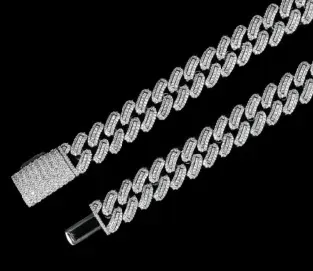
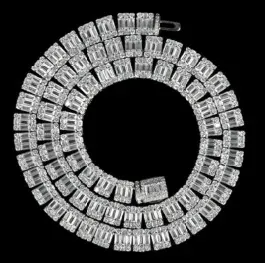
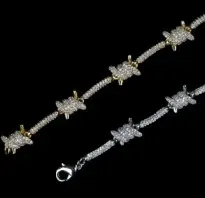
Material and finish options should be reviewed based on the product category, target use, finish direction and buyer requirements. The following options may be considered for selected projects.
| Option | Product Direction | Suitable Applications | Important Considerations |
|---|---|---|---|
| 316L Stainless Steel | Commonly considered for many daily-wear jewelry products | Necklaces, pendants, chains, bracelets, earrings and selected rings | Product structure, components, finish and usage conditions affect final performance |
| Stainless Steel with PVD Finish | Gold-tone, black or selected colored daily-wear jewelry direction | Selected necklaces, pendants, chains, bracelets, earrings and rings | Base material, surface preparation and finishing process should be confirmed |
| Stainless Steel Silver-Tone Finish | Metallic daily-wear product direction without a gold-tone surface color | Chains, necklaces, pendants, bracelets and selected earrings | Surface condition, construction and care should be considered |
| Other Suitable Material Options | May be considered for selected products or components | Product-specific review required | Suitability depends on composition, finish, construction and requirements |
No material or finish should be described as automatically waterproof for every product. Final recommendations depend on the complete jewelry design and project requirements.
The following jewelry categories can be reviewed for water-resistant or daily-wear product positioning. Final material and finish recommendations depend on each product design.
Custom necklaces with selected stainless steel materials, chain structures, pendant designs, finishes and branding details.
02Custom pendants with selected base material, engraving, PVD finish direction and chain options.
03Custom chains with selected lengths, widths, links, clasps and suitable finish options.
04Custom chain bracelets, cuffs, bangles and personalized bracelet styles with selected material and finish options.
05Custom bands, signet rings, fashion rings and selected engraved ring designs for suitable daily-wear collections.
Material choice is only one part of product development. Construction details should also be reviewed when developing jewelry for daily-wear or water-resistant positioning.
Chain link structure, clasp type, component size and assembly should be reviewed for the intended product use.
Jump rings, bails, connectors and welded points should be reviewed as part of the complete pendant and necklace design.
Stone type, setting method, product use and cleaning conditions should be considered for jewelry with decorative stones.
Engraving placement, depth and finish direction should be considered to maintain a clear branded or personalized detail.
Sharp edges, recessed areas, textured surfaces and complex forms can affect polishing, finishing and long-term appearance.
All components should be reviewed together, including chains, clasps, charms, settings, rings, posts and backings.
Review stainless steel and other suitable material options according to product and market requirements.
Review silver-tone, PVD gold-tone, rose gold-tone, black and other available surface directions.
Customize chain length, pendant size, product thickness, ring size, bracelet length and component proportions.
Add suitable logos, names, initials, dates, coordinates, symbols and branding details.
Review suitable stone options and setting methods for product designs that include decorative details.
Select chain style, width, length, clasp and connecting components for necklaces and bracelets.
Coordinate jewelry cards, pouches, boxes, care instructions, tags and other private label packaging.
Develop product care guidance appropriate to the selected material, finish and intended product positioning.
| Step | Title | Description |
|---|---|---|
| 01 | Submit Your Requirements | Share a CAD file, sketch, reference image, sample or written product brief. Include intended daily-wear or water-resistant positioning. |
| 02 | Review Material and Construction | Review product category, base material, finish, chain, clasp, stone settings, dimensions and target market requirements. |
| 03 | Confirm Development Plan | Confirm sample requirements, tooling, finish direction, branding, packaging and estimated project timing. |
| 04 | Develop a Sample | Produce a sample to review product shape, material appearance, finish, dimensions, components and branding. |
| 05 | Approve the Sample | Confirm the approved sample and final product specifications before bulk production. |
| 06 | Mass Production | Manufacture jewelry according to approved material, finish, construction and packaging requirements. |
| 07 | Quality Inspection | Review surface condition, finish appearance, components, engraving, assembly and packaging before shipment. |
| 08 | Delivery Coordination | Complete final packing and coordinate export shipment based on project requirements. |
Testing, validation and product claims should be confirmed according to the specific jewelry design, destination market and buyer requirements.
Start a Water-Resistant Jewelry ProjectJewelry developed for daily-wear or water-resistant positioning should be checked against approved samples, confirmed product specifications and any buyer-required standards.
Base material specification, Product dimensions and proportions, Surface condition, Finish appearance and color consistency, PVD or plating condition where applicable, Chain and clasp function, Welded points and component assembly, Stone setting where applicable, Logo and engraving accuracy, Packaging and care-card content, Final quantity and packing condition
Destination-market, documentation and testing requirements are defined by the buyer and confirmed for each project.
Testing scope, methods and acceptance criteria must be confirmed for each product. Do not use water-resistant, waterproof or durability claims without project-specific evidence and buyer approval.
Discuss Testing RequirementsMOQ starts from 50 pieces. It depends on product category, material, design complexity, tooling, finish, customization, packaging and order quantity.
Samples are recommended to confirm material appearance, finish direction, product construction, components, logo placement and packaging before bulk production. Sampling takes 12–15 days.
Mass production takes 20–35 days starting from the confirmation of the sample and final specifications. Lead time depends on product complexity, material availability, finish requirements, sample approval, testing scope, quantity, packaging and production scheduling.
A project-specific recommendation is provided after reviewing your product design, intended positioning, target market and estimated quantity.
Request a Water-Resistant Jewelry EstimatePRODUCT REFERENCES
Use existing tianyi product forms to review surface color, polish, plating and construction directions.
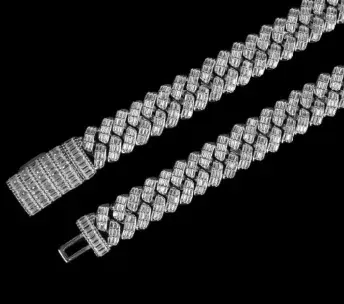 TYN002Custom Cuban Link ChainCuban Link Chain · Hip Hop · Iced OutView Details
  TYN003Custom Cuban Link ChainCuban Link Chain · Hip Hop · Iced OutView Details
 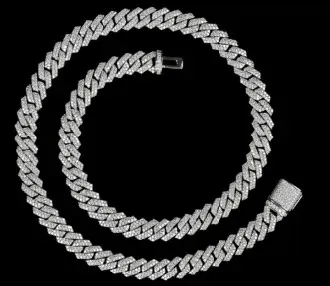 TYN006Custom Cuban Link ChainCuban Link Chain · Hip Hop · Iced OutView Details
 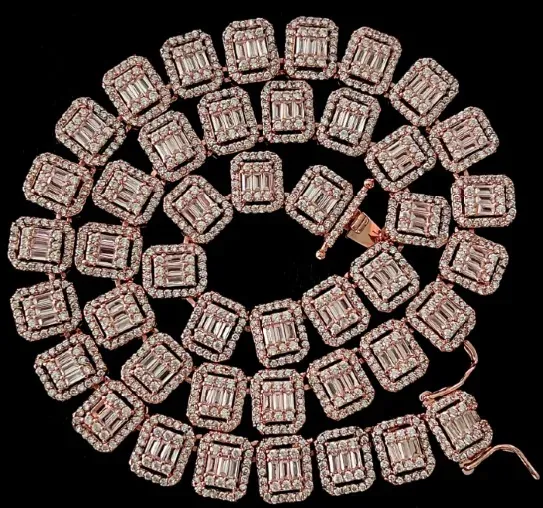 TYN005Custom Statement NecklaceStatement Necklace · Hip Hop · Iced OutView Details
 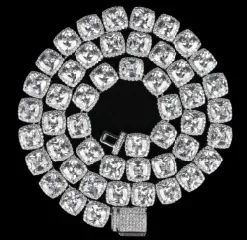 TYN008Custom Tennis NecklaceTennis Necklace · Hip Hop · Iced OutView Details
 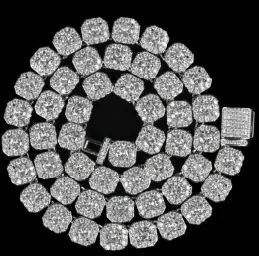 TYN009Custom Tennis NecklaceTennis Necklace · Hip Hop · Iced OutView Details
 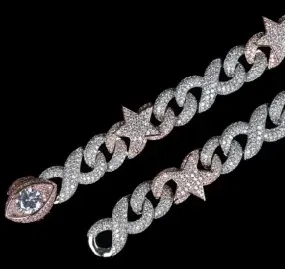 TYN033Custom Charm BraceletCharm Bracelet · Hip Hop · Iced OutView Details
 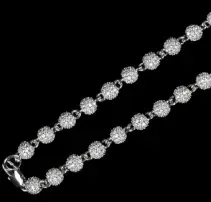 TYN036Custom Tennis BraceletTennis Bracelet · Hip Hop · Iced OutView Details
 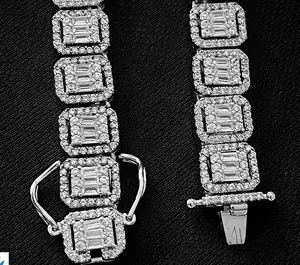 TYN044Custom Tennis BraceletTennis Bracelet · Hip Hop · Iced OutView Details
 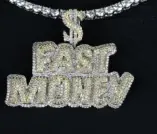 TYP002Custom Text PendantText Pendant · Hip Hop · Custom TextView Details
 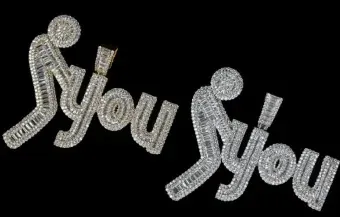 TYP003Custom Text PendantText Pendant · Hip Hop · Custom TextView Details
 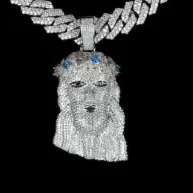 TYP004Custom Face PendantFace Pendant · Hip Hop · ReligiousView Details
 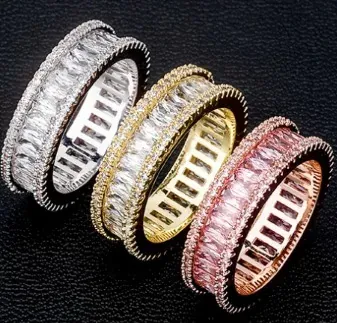 TYR002Custom Eternity RingEternity Ring · Hip Hop · Iced OutView Details
 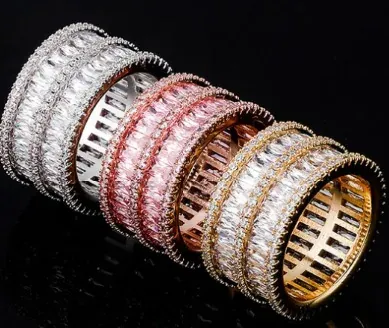 TYR003Custom Eternity RingEternity Ring · Hip Hop · Iced OutView Details
  TYR004Custom Statement RingStatement Ring · Hip Hop · Iced OutView Details
 15 product references shown
No product references match this filter.
BUYER FAQ
Review practical questions before confirming materials, finishes, samples and production requirements.
“Waterproof jewelry” is commonly used to describe jewelry developed for regular wear and improved resistance to water exposure. Actual performance depends on the specific material, finish, product construction, components, use conditions and any required testing.
The terms are often used differently by brands and buyers. For product development, it is more accurate to define the intended use, exposure conditions, material, finish, construction and testing requirements rather than relying on a general label alone.
We can develop jewelry for water-resistant or daily-wear positioning by reviewing suitable materials, finishes, product construction and buyer requirements. Final product claims should be confirmed based on the specific design and any required testing.
316L stainless steel (may be selected), selected stainless steel options and compatible PVD-finished products may be considered for suitable daily-wear jewelry projects. Final suitability depends on product structure, finish, components and intended use.
Stainless steel jewelry may be suitable for water-resistant or daily-wear positioning, but it should not automatically be described as waterproof. Final performance depends on material grade, finish, product construction, components, exposure conditions and care.
316L stainless steel is commonly considered for many daily-wear jewelry products. The final suitability depends on the complete product design, finish, components, intended use and target-market requirements.
PVD gold plated jewelry may be suitable for water-resistant or daily-wear product positioning, but PVD alone does not make every product waterproof. The base material, surface preparation, construction, components, usage and care should be reviewed.
Gold-tone PVD and other suitable finish directions can be discussed for compatible products. Final recommendations depend on base material, surface preparation, product structure and intended use.
Brass jewelry should not automatically be described as waterproof. The base material, plating, construction, product care and exposure conditions must be considered before any performance claim is made.
Wear guidance depends on the specific product, material, finish, construction and product claim. Brands should define appropriate care guidance based on project-specific requirements and any available testing.
Swimming exposure can involve chlorine, saltwater and other conditions that may affect jewelry materials and finishes. Any swimming-related claim should be based on product-specific review and testing.
Sweat, cosmetics, perfume, sunscreen, cleaning products and skin-contact conditions can affect jewelry appearance over time. Material, finish, care and intended use should be considered during development.
Water-resistant positioning does not automatically mean a product will never change appearance. Tarnishing or discoloration can be influenced by material, finish, chemicals, humidity, wear, care and environmental conditions.
No jewelry product should automatically be described as scratch-proof. Surface appearance can be affected by friction, impact, handling, storage and normal use conditions.
Yes. We can discuss custom necklaces for daily-wear collections with suitable stainless steel material directions, chain structures, pendant designs, finishes, engraving and packaging.
We can review custom bracelets for daily-wear or water-resistant positioning. Material, chain structure, clasp, surface finish, product dimensions and intended use should be confirmed for each project.
Custom rings can be reviewed for daily-wear positioning using suitable materials and finishes. Final product suitability depends on ring design, size, finish, engraving, stones and use conditions.
Yes. We can discuss earrings for daily-wear collections, including studs, hoops, drops and selected designs. Material, posts, backs, finish and product construction should be reviewed.
Suitable product surfaces may support logo marking, laser engraving, initials, symbols and other branding details. The suitable method depends on material, finish, surface area and product design.
Stone details can be discussed for suitable jewelry designs. Stone type, setting method, product construction, exposure conditions and care guidance should be considered for daily-wear positioning.
Yes. Samples are recommended to review product dimensions, material appearance, surface finish, components, logo placement, stone details and packaging before mass production.
Testing requirements can be discussed based on the product, intended claim, target market and buyer standards. Testing scope, methods and acceptance criteria should be confirmed for each project.
Quality checks may include material specification, product dimensions, surface condition, finish appearance, color consistency, chain and clasp function, assembly, engraving, stone setting, packaging and final inspection.
Please include the destination market, buyer standards, required documentation and test scope in the project brief. Availability and arrangements are confirmed for the specific project before quotation.
Please include the destination market, buyer standards, required documentation and test scope in the project brief. Availability and arrangements are confirmed for the specific project before quotation.
MOQ starts from 50 pieces. It depends on product category, material, design complexity, tooling, finish, customization, packaging and order quantity. A project-specific recommendation is provided after review.
Sampling takes 12–15 days. Sample timing depends on product complexity, material, finish, tooling, logo, stone details, packaging, testing scope and revision requirements.
Mass production takes 20–35 days starting from the confirmation of the sample and final specifications. Bulk production timing depends on approved samples, final specifications, material availability, finish, quantity, packaging, testing needs and production scheduling.
Yes. Private label projects can include custom product development, logo marking, engraving, jewelry cards, pouches, boxes, care instructions, labels and retail-ready packaging.
Yes. We can discuss custom care cards and care guidance based on the selected material, finish, intended use and brand requirements.
Yes. International shipping and export preparation can be discussed according to destination, quantity, packaging and delivery requirements.
Please provide the product category, design file or reference image, intended use, material preference, finish direction, dimensions, estimated quantity, logo details, stone requirements, packaging needs, target market and any testing requirements.
Submit your product idea, design or reference image through the quote form. Include your intended daily-wear positioning, material preference, finish direction, estimated quantity, branding requirements and target market for review.
PROJECT REVIEW
Send your product design, reference image or collection idea. Include your intended use, preferred material, finish direction, estimated quantity, branding needs and target market so we can review suitable options for your project.